
RITUAL FORUM SERIES: DEATH AND DYING
How We Practice Judaism
By Eric Bressler
Jewish dying, funeral, burial and mourning practices have ancient roots. They include deathbed confessions, burial as soon as possible in simple wooden caskets, preparing the body, tearing garments, liturgy, graveside traditions, sitting shiva, sheloshim, tombstone inscriptions, yahrzeit and many more. Yet our integration into modern western society and our infrequent experiences with death leave most of us unsure of what to do when we’re confronted with the imminent or sudden deaths of loved ones.
In August, Rabbis Locketz and Thal and four members of Bet Shalom’s Ritual Forum held the first session of what will be a quarterly series about how we approach life-cycle rituals at Bet Shalom. The idea of the series is to explore the range of what our congregants actually do, while also discussing what our Jewish tradition says. The Ritual Forum decided to discuss death and dying practices first because our clergy receive the most questions about those subjects.
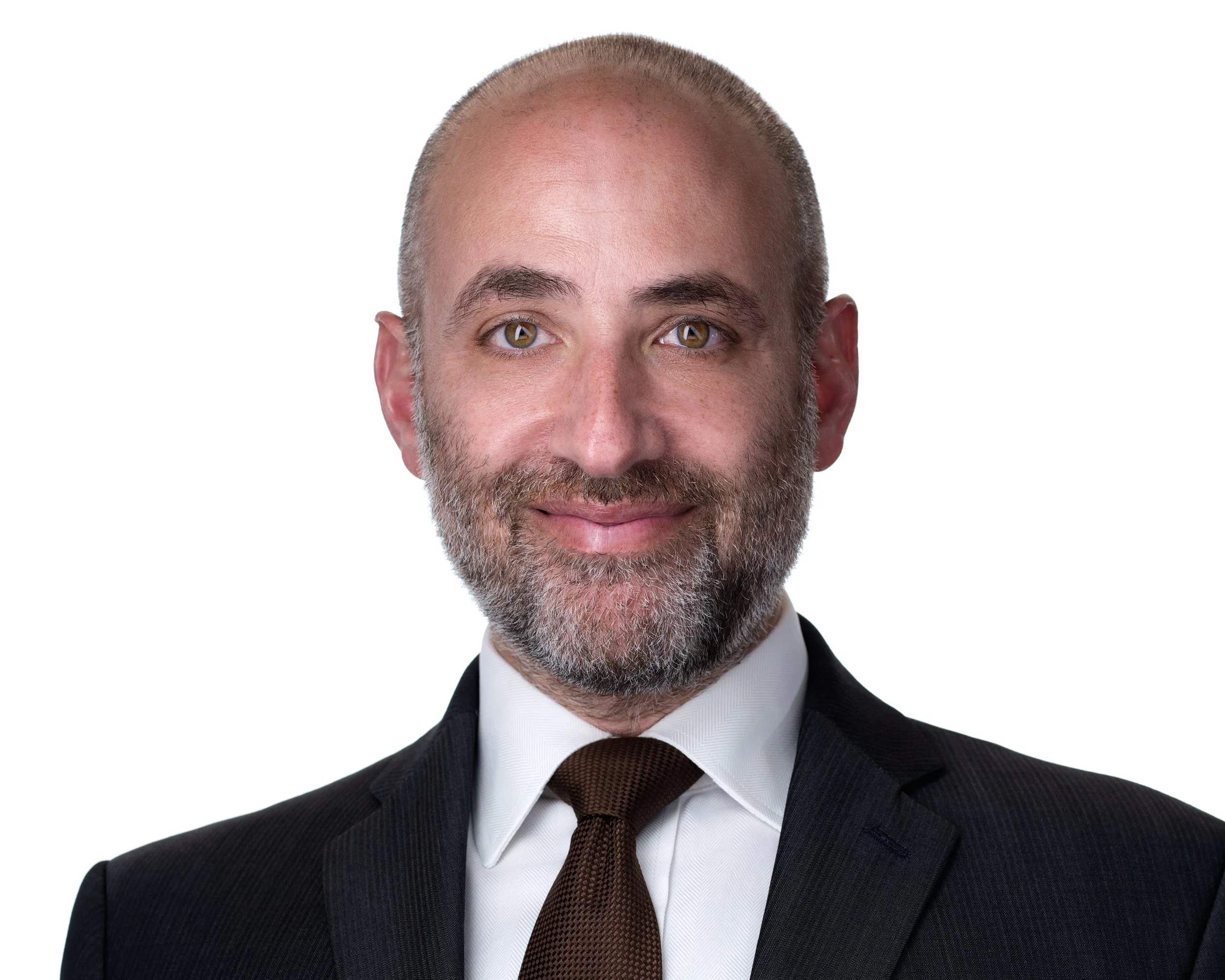
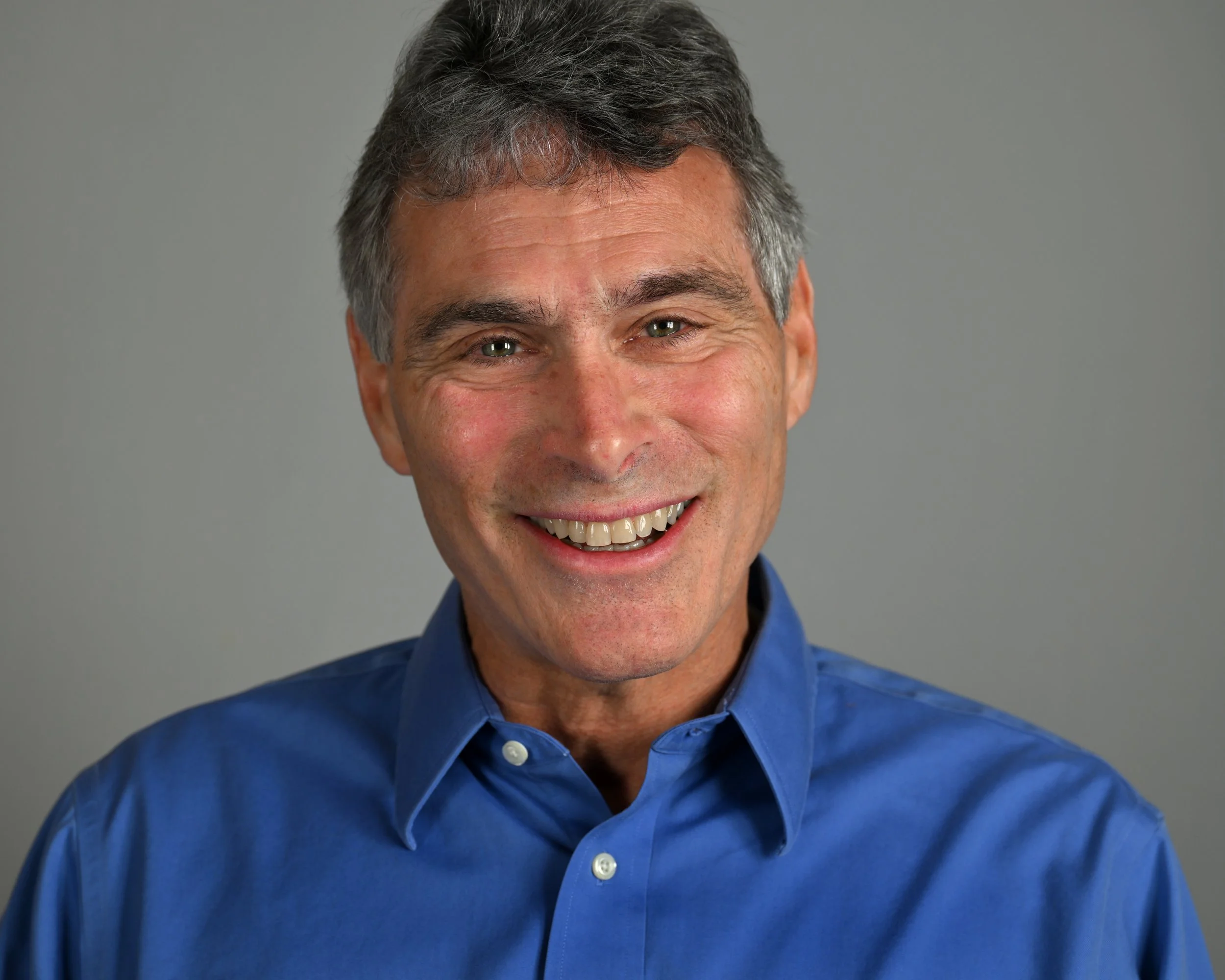
Rabbi Locketz
Framing up the series, Rabbi Locketz said the goal is to “learn from each other” by sharing personal experiences with life-cycle events. “This isn’t to say what’s right and what’s wrong. So there’s no judgment here in terms of how people have chosen to experience different moments in their lives.” But “We do want to give the Jewish approach,” he added. “We want to give people just what to do when things happen in life, and how to engage in the synagogue in that way, and how to access the support of such an incredible community.”
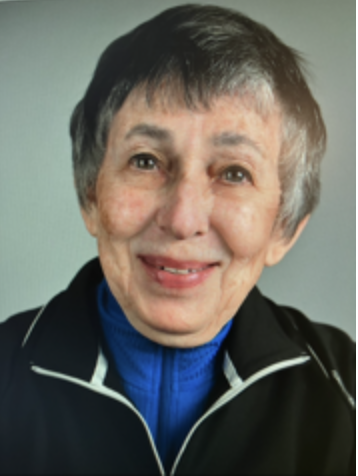
Rita Lusky
First the participants introduced themselves to the audience of about 20: Gayle Kaplan, a long-time participant in Torah study groups and a religious school teacher for 18 years; Burt Schwartz, a former chair of the Ritual Committee and a retired oncologist/hematologist; Rita Lusky, pianist at Bet Shalom since 1981, former administrator, and member of the Ritual Committee since 1996; and Linda Hulbert, heavily into Torah study and chanting Torah.
They were asked four questions (no relation to those at the Passover Seder):
1. How do you or have you prepared for the death of a loved one?
2. What was your experience during the time between hearing of a death or an imminent death and planning the funeral?
3. What was or would have been helpful support from your family, friends and community?
4. How have you experienced honoring the memory of a loved one?
Some of the stories the panelists told were intensely personal, poignant, and at times, riveting. Sharing them took immense courage, and the audience was grateful for the panelists’ mix of candor and humor. Here are some of their comments, details of practice from the rabbis, and worthwhile suggestions from the participants.
How to Plan for Death
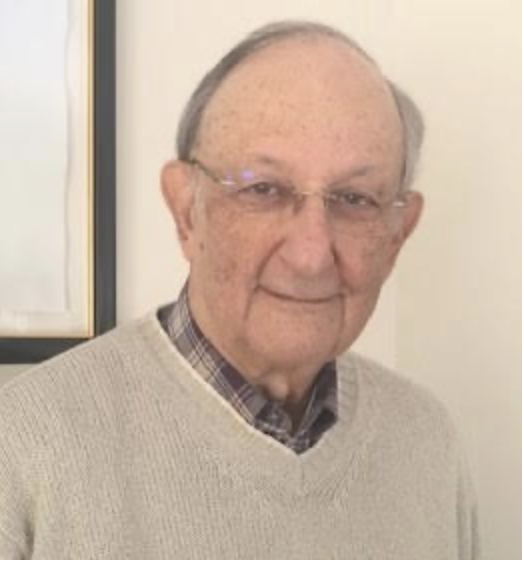
Burt Schwartz
Planning ahead can involve purchasing burial plots, discussing specific wishes with the dying, planning funerals, clearing stuff from your home in advance, and planning the financial transitions. Burt wrote an “ethical will” and is currently writing a book about his life using Storyworth.com. Of course some have no chance to prepare because death is sudden. All agreed that it’s often difficult to prepare oneself emotionally.
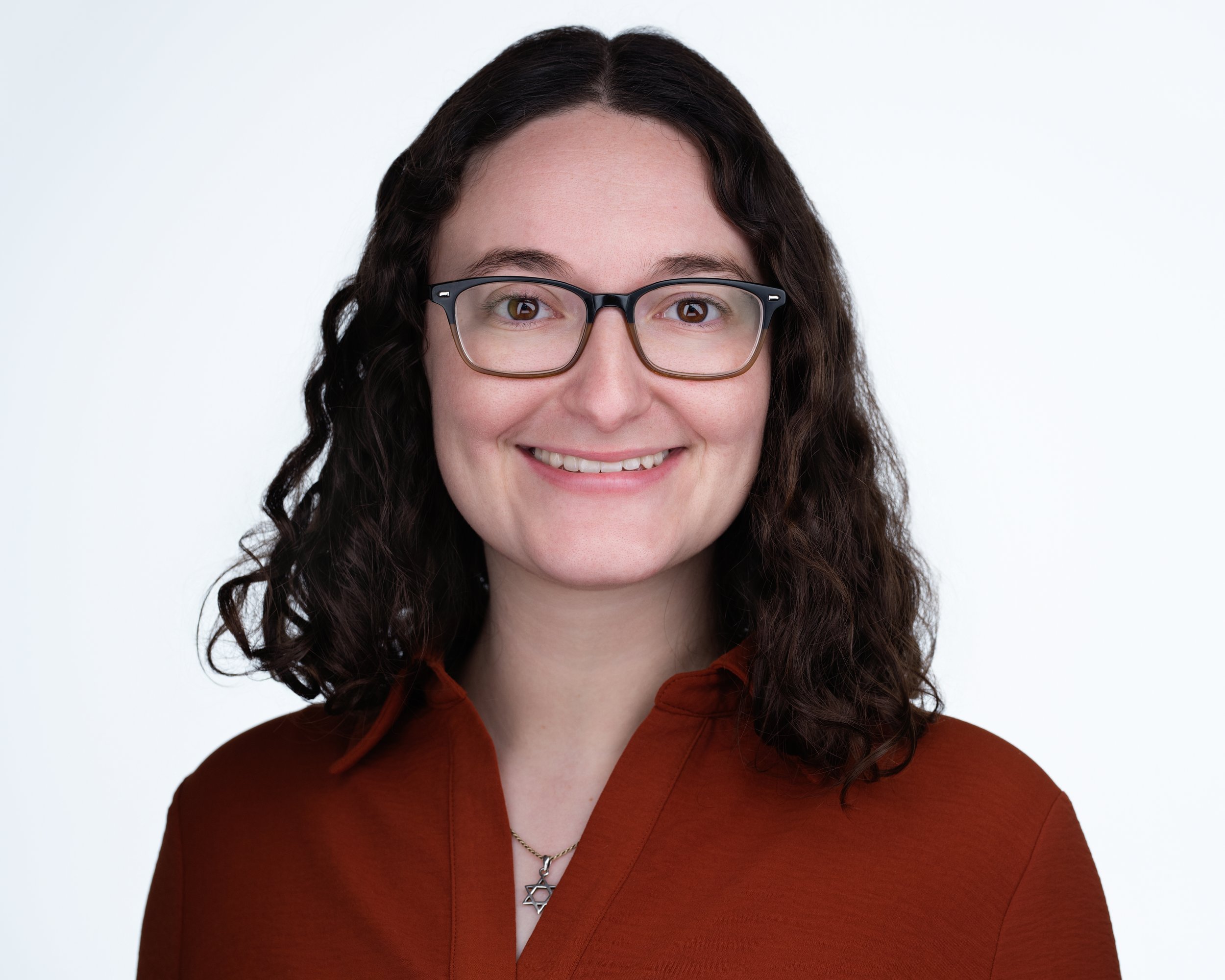
Rabbi Thal
Rabbi Thal commented, “I would love to highlight the forethought and the taking responsibility of our own mortality and the planning ahead.” She acknowledged that it can be very uncomfortable for people to contemplate their own mortality, adding, “It’s an honor to your own life and to your loved ones to be able to process some of this before it’s a surprise and before it happens.”
Gayle Kaplan
Gayle said that when her mother died in Boston, the funeral home staff was really helpful “because I did not know what to do, and my father wasn’t up to it.” They discussed funeral options, how to get a notice into the paper, and shiva. That was really important since her parents hadn’t belonged to a synagogue in years and had no relationship with clergy in Boston.
The panel discussed hospice services extensively. Linda related that when her mother was dying, “We brought in hospice, and within two weeks she was gone. That was a blessing rather than starting to treat her.” Burt actually helped run a hospice team for five years after he retired. He says that in the US, hospice is started way too late, averaging days as opposed to weeks or months in Europe. “The hospice benefit for Medicare is for 13 months…. I don’t think that’s well known.” Rabbi Locketz concurred that “hospice is not just for the person who is dying; it’s for the family” through grief counseling.
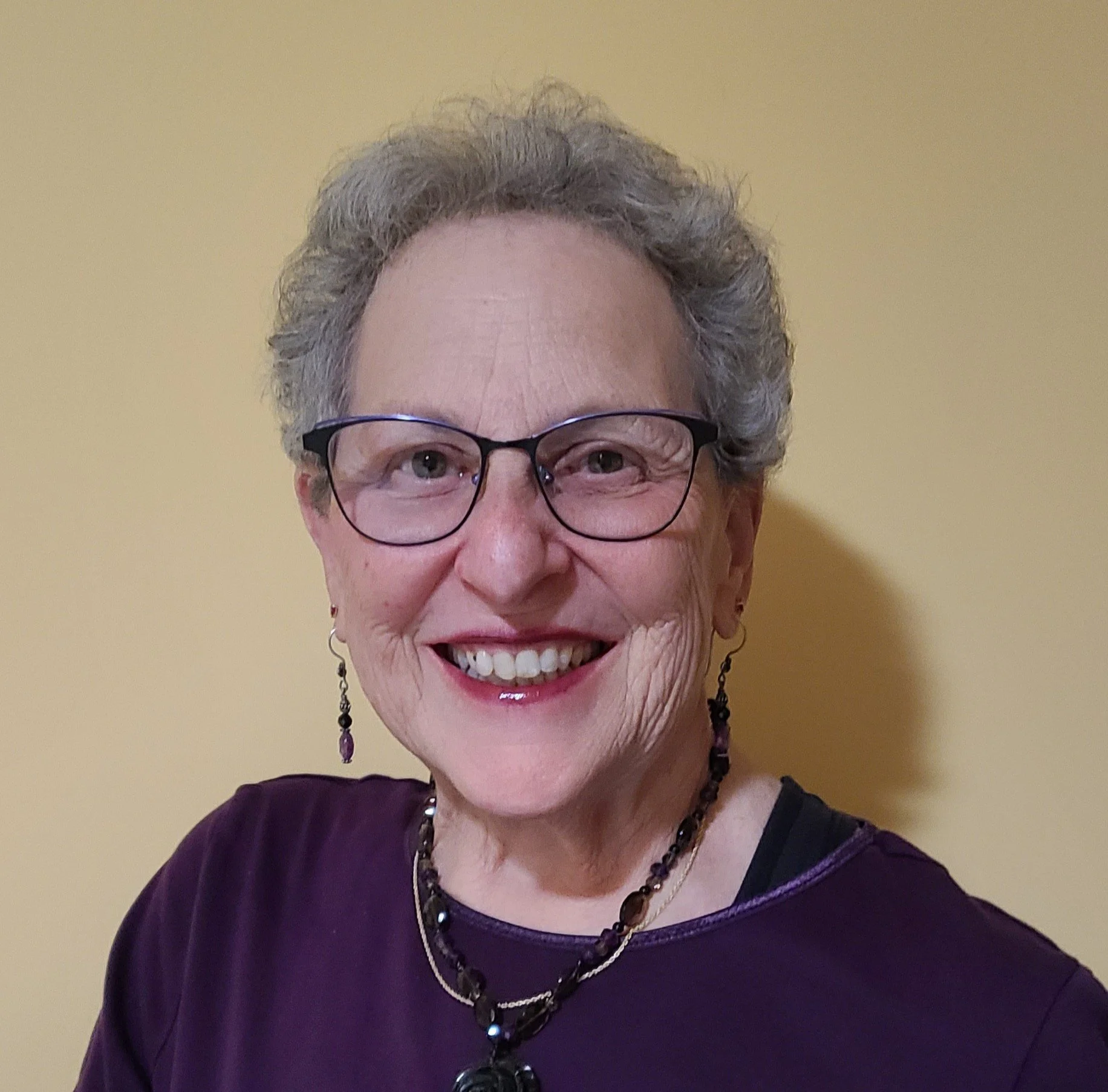
Linda Hulbert
Jewish Funeral and Burial Traditions
Rabbi Locketz noted that Bet Shalom will generally honor the wishes of families including cremation and other non-traditional burial choices. We don’t do funerals on Saturdays, and there are a few other limitations, such as that cremains are not allowed in the sanctuary as we do a casket.
Our rabbis discussed the Vidui prayer, the confession to God that we do at High Holy Day services while pounding our chests. Rabbi Thal explained, “It’s meant to serve as a comfort at the end of life that whatever the person did in their life was good enough, and that anything that’s left undone is forgiven. It’s a way to let go of the things that someone is holding on to at the end and be at peace…. It’s nice in that moment to have family around if possible.” You can always do the Vidui more than once if necessary. And you don’t need clergy to do it. It can even be said after someone dies by the survivors.
If you’re asked by hospital or hospice staff, Bet Shalom primarily works with Hodroff-Epstein Funeral Home. They offer many sorts of services around death, including cremation and burial plots. Once they’re called, they typically manage all of the details like time and location of the funeral. It’s also good to let our clergy know about the death. The funeral itself has options including a service at Bet Shalom or another congregation, then moving to the cemetery for burial; a graveside funeral alone; or a service at the chapel at a funeral home and then a graveside burial. Sometimes we do only memorial services, wherever the family prefers.
Rabbi Thal described traditional ways of taking care of the body, not leaving it alone. She mentioned Tahara, the ritual washing of the body performed by anonymous volunteers of the same sex called chevra kadisha, and the traditional kittel, a simple white burial shroud without pockets associated with equality in death, from dust to dust. Rabbi Locketz noted that Tahara is an Orthodox Jewish tradition, and it may be required at an Orthodox cemetery.
Rabbi Locketz explained that the hesped (eulogy) is a focal point of a Jewish funeral, and it’s become common for several people to offer them. “We typically limit how many people can offer eulogies, and I’ll go on record as saying that I think it’s the mourner’s job to mourn at a funeral. I’m not sure why so many people are called to offer eulogies on their own for their loved ones. So I just want to take the pressure off anybody who is thinking about that for the future. It’s always acceptable to let the rabbi develop the eulogy and deliver it on your behalf so that you can mourn.”
Rabbi Locketz described shiva (7 in Hebrew) as the traditional seven-day mourning period that begins after the funeral. The “legal” reason for it is to have a minion of 10 people to say the Kaddish prayer. But the practical reason is “to be surrounded by loved ones and to have your needs taken care of for a few days while you are moving to the next stage of mourning and grief.” The number of nights when people gather with the family has declined over the last decades to one or two. But the period of mourning is still seven. He continued, “We encourage people to not necessarily reengage in regular life so quickly, whether you are gathering together to say the prayers or not…. There’s something really sweet about being in somebody’s home when they’re in mourning.” But he pointed out that Bet Shalom can provide space for gatherings when holding them at home is difficult.
Honoring Loved Ones’ Memories
The panelists all follow the tradition of periodically going to the cemetery to visit loved ones’ graves, often placing a stone on the marker to indicate that someone has been there and still remembers the person. This lasts longer than placing flowers on the marker, although of course someone who forgets to bring their own stone or can’t find one on the ground may “borrow” one from another marker.
In the context of a discussion of ecological burials, Rabbi Locketz emphasized the importance of creating “some sort of a memorial plaque or a headstone somewhere, because of my [interest in] genealogy and my journey to search for my family. Being able to find names literally etched in stone has been such an important thing for me.” He added, “If you don’t have an idea of a burial plot, or if you have cremated, or you’re not sure where to etch somebody’s name, it’s always an option to [install a memorial plaque] here in the sanctuary [at Bet Shalom].”
All of the panelists light yahrzeit candles on the anniversary of loved ones’ deaths, too. Most light them on the evening before the date of death as the Jewish day starts at sundown. Some use the English calendar for the date, and others use the Hebrew calendar. Burt uses both and lights candles twice! If you log in to ShulCloud, you can mark whether you want to be notified of the yahrzeit according to your preferred calendar, and thus when to attend services when the name will be read.
Giving tzedakah, charitable donations, in honor of a loved one after they’ve died or on their yahrzeit is another long tradition. Gayle set up funds at Bet Shalom in honor of her parents. But any fund including the Endowment and the General Fund can receive such gifts. “Choose a fund at the synagogue that does something that is important to you or was important to your loved one,” Said Rabbi Locketz. “It doesn’t have to be an enormous gift. It just has to be something from your heart.”
Rabbi Locketz closed the session with a beautiful observation. “Lighting a yahrzeit candle is an opportunity to check in with yourself and your family every year as to whether you are living the legacy of the person you are remembering in that moment, whether it’s lifting up a particular value that the person stood for or honoring them in the things that you still remember about them in everyday life.”
The next session will be on Thursday, November 19 with Rabbi Norman Cohen via Zoom. The topic is “What Happens When I Die?”