
How Jewish Ritual Can Enter Our Lives: New Series
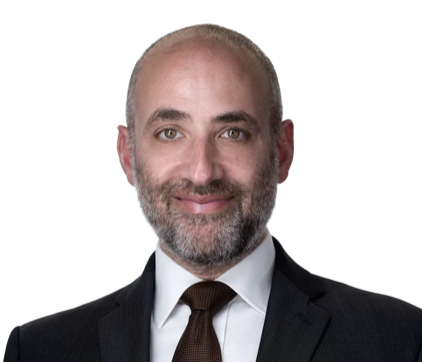
by Rabbi David Locketz
This March, Eric Bressler and I discussed an idea for a Tapestry article about Jewish mourning rituals. When we started this conversation, it was more about "how to do these things" and teaching congregants about them. That is still important to me. But I have been thinking a lot about why it is important to me. So that is where I'll start.
When I was in rabbinical school, I recall an ongoing conversation around the idea of spirituality and that it is essentially impossible to define spirituality, or at least the experience of it, because it means something different to every person. Yet embedded in the word "spirituality" we find the word "ritual." And Jewish ritual can be defined as various ceremonial acts based in our tradition.
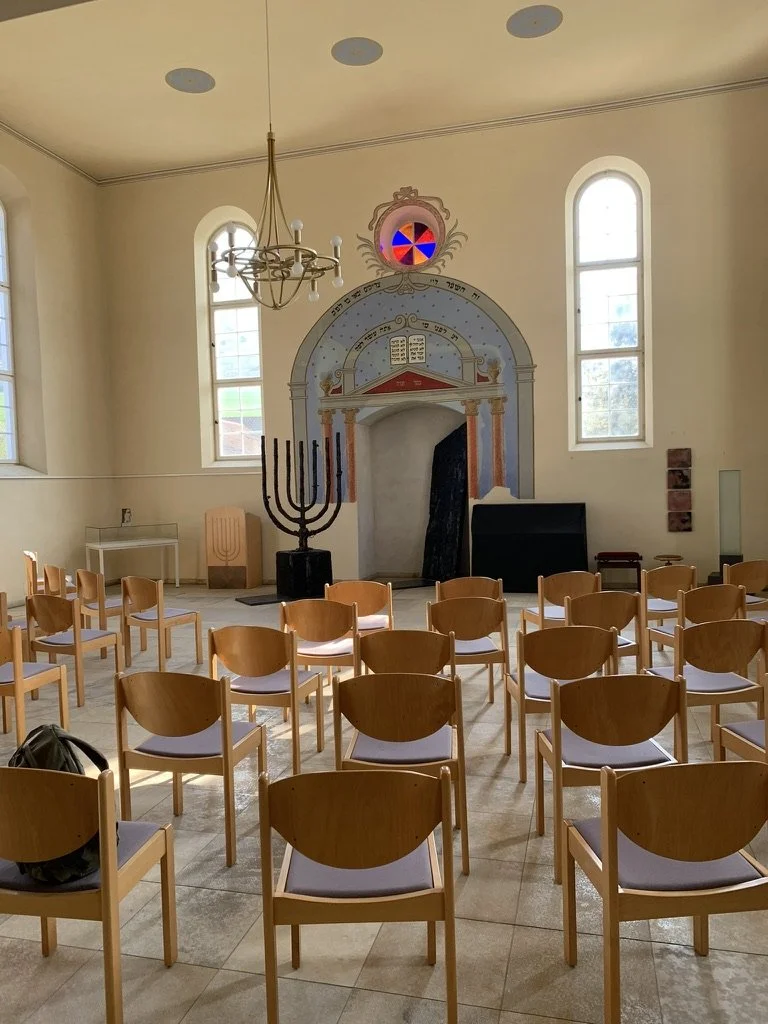
Ehemalige Synagoge in Oberdorf, Germany, built in 1704
The beauty of Jewish ritual is that we can share an activity together and experience its meaning, each in our own way. By performing a Jewish ritual, we connect not only with those in our physical proximity, but also to all those who came before us, who in many ways have contributed to our standing here in this ritual moment.
In this second regard, the power of ritual linking me with the generations that came before has become a real focus for me. In studying my family tree and exploring my ancestral villages I've encountered powerful and enduring symbols of these Jewish traditions that have been passed down to me through the generations. In Germany I stood in the restored synagogue building where three generations of my family gathered during the early 1800s. In my imagination I conjured images of them celebrating brit milah and b'nai mitzvah and the sound of a glass breaking under the chuppah.
In another great discovery, on a hillside a few hours away, I found the headstone of a great x 5 grandfather. That grave marker, following Jewish custom, included his father's name and brought to light another link in our family's chain linking us back to Sinai.

At the grave of my Great x 5 Grandfather, Aron Fleischer in Oberöwisheim, Germany
This is literally what is meant in our prayers when we say l’dor va'dor—from generation to generation. The story of our people—the experience of our community—is passed in some measure through these rituals that are taught from one generation to the next. They connect us to each other; they connect us to those that came before us. And they will indeed connect us to the generations that follow us. This also highlights a challenge we face our in current environment which is how to ensure continued generational transmission of these meaningful customs.
As I consider this challenge against the backdrop of the Bet Shalom community, I know that our deep sense of Kehila Kadosha—sacred community—can also provide a meaningful environment in which we can learn from one another.
I receive so many questions regarding Jewish ritual as it relates to what we call "life-cycle events." These questions are often surrounding birth, marriage and death, but also other moments in life. There is a way to mark any occasion in a Jewish manner. And I am always honored to be in conversation with people to discuss how to do so.
With all of this in mind, we are launching a new opportunity for our Bet Shalom community. In partnership with Bet Shalom's Ritual Forum, we will host quarterly sessions to learn from Jewish tradition how Jewish rituals can enter our lives. During these sessions, while we consider some teachings from our Jewish tradition, we will also hear from members of our community as they reflect on their own experiences.
We are going to begin with the rituals around death simply because that is where we get the most questions. But then we will circle back to birth and move forward from there. Life is a cycle!
The first session will take place on August 13th with more details to come.