
Harvest: A Story from the Tribe
by Naomi Dean
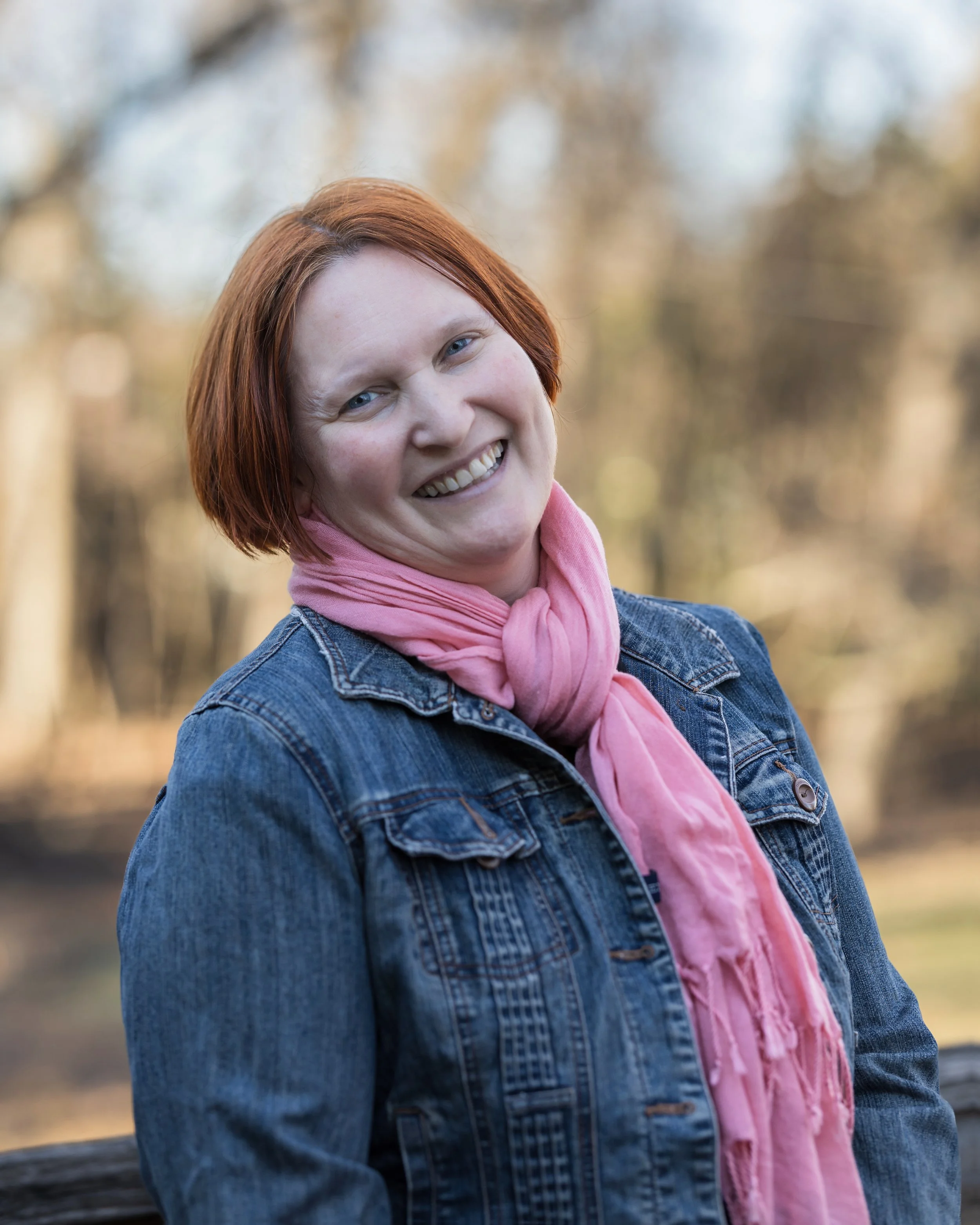
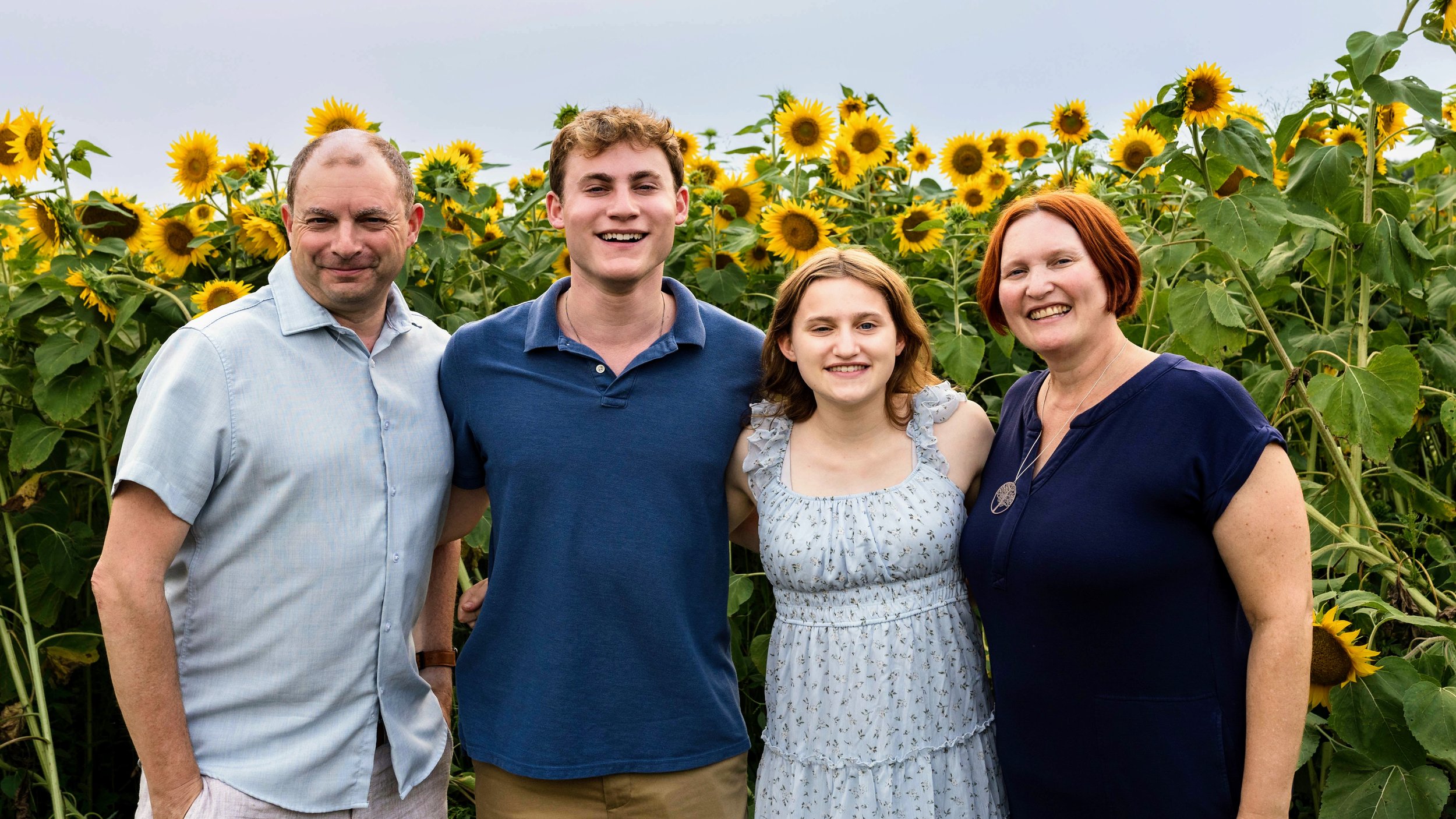
Naomi Dean grew up on a farm in Minnesota. She has taught English and Spanish in Brooklyn, New York, and Palo Alto, California, and she currently teaches ESL at Cedar Island Elementary. Naomi lives in Plymouth with her husband Ethan Roberts, son Noah, a junior at Madison, and daughter Elsie, a senior at Wayzata High School. A longtime member of Bet Shalom, you can often find her gardening, reading, writing, or walking. You can check out her poems in publications such as Poetica, Sylvia, The Madrigal, Collateral, Plainsongs and JAMA.
I had the honor of sharing my story along with eleven other women in this year’s “Stories from the Tribe,” a live production by TC Jewfolk as well as in their podcast that’s featured in the Jewish + Lifestyle > Arts + Culture section.
All of the stories relate to Jewish motherhood in one way or another. I loved getting to know the other participants and hearing their stories and appreciated the incredible support from the other storytellers, the audience, and the TC Jewfolk staff. These include Lonny Goldsmith, who did an expert job interviewing each of us for the podcast and Galit Breen, who did everything from running the auditions to collaborating with us to edit our stories and cheering us on during rehearsals and on show night.
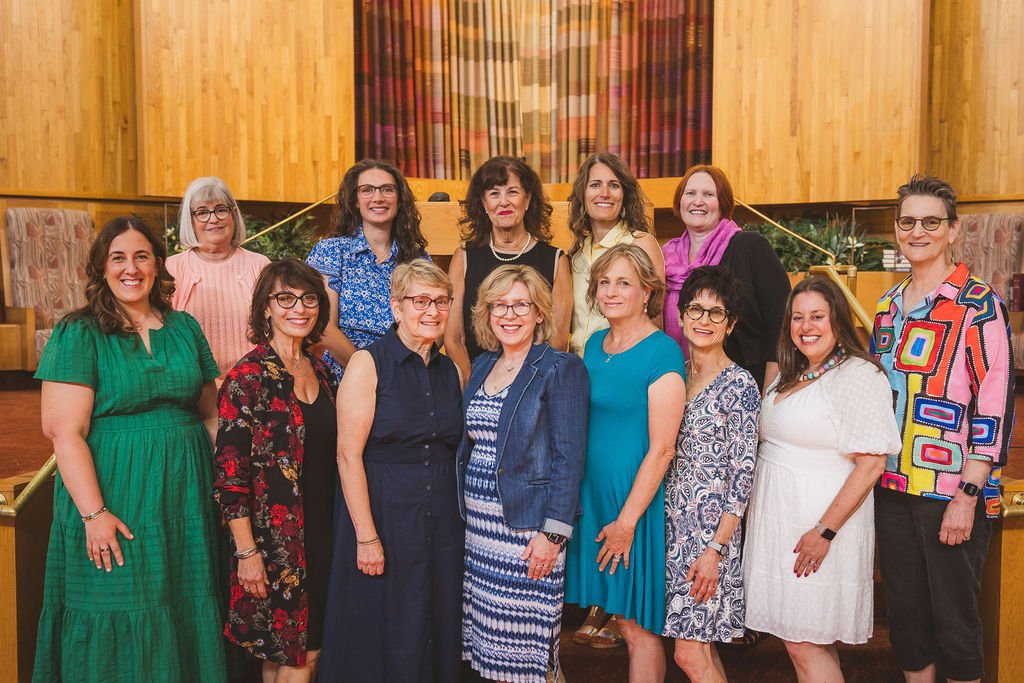
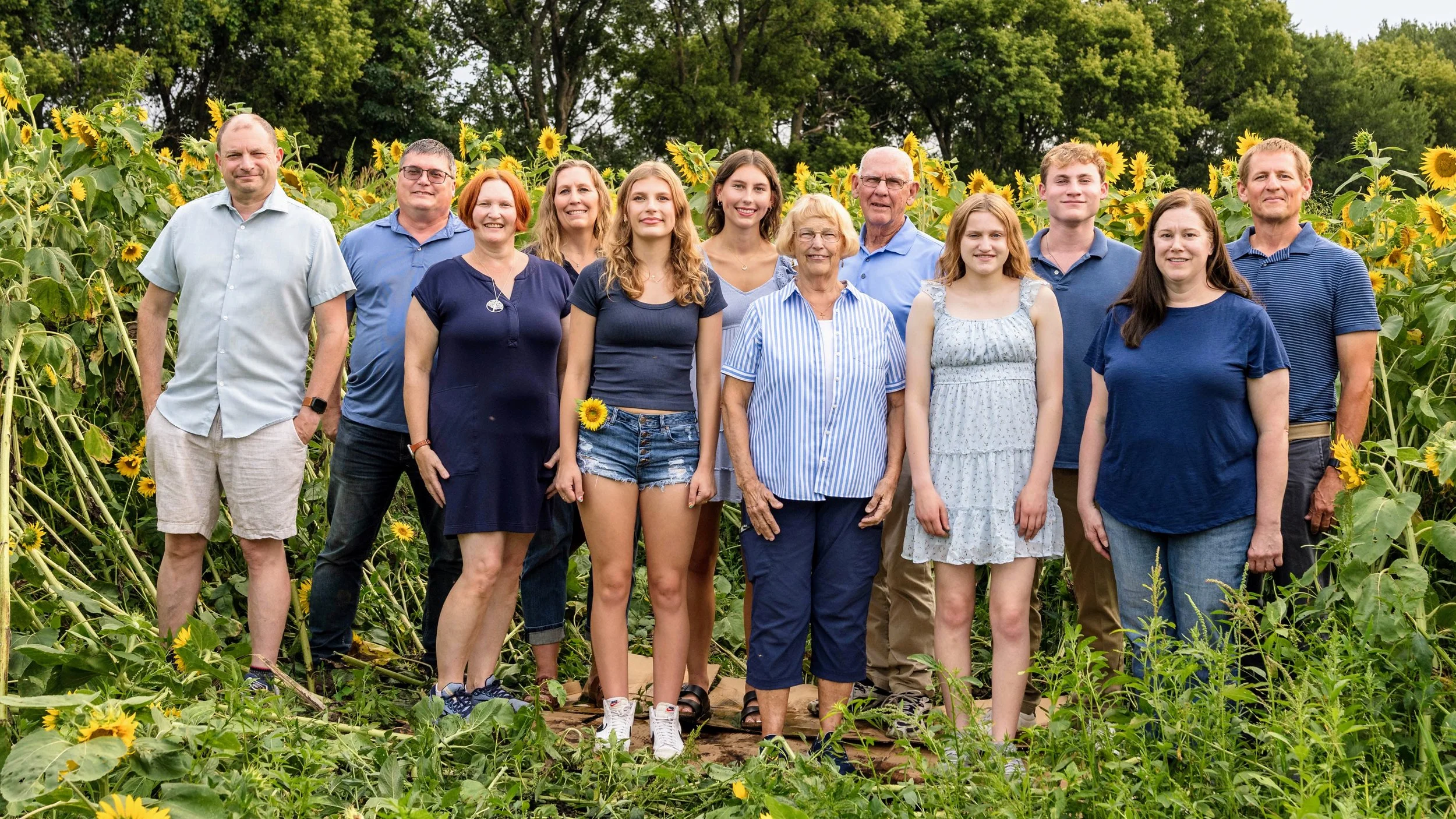
Photo credit: Sydnee Bickett Photography for TC Jewfolk
My story, Harvest is about my introduction to Judaism and the impact that choosing to be Jewish has had on me and my family, including my kids. In approximately 1000 words and less than six minutes, there is only space for a slice of the story. What I would add for a Bet Shalom audience is that I had the great fortune to complete my formal conversion to Judaism at Bet Shalom many years ago and to be able to study with both Rabbi Locketz and Rabbi Cohen. I especially appreciated how Rabbi Locketz was willing to talk about anything and everything, and how Rabbi Cohen embodied “they recognized me from Mount Sinai” as he was there for me throughout the process. I am also grateful for the many other clergy who have welcomed me over the years, including Rabbi Avrin, Cantor Havilio and Rabbi Thal.
If you’re interested, I hope you’ll listen to the podcast. A new episode comes out each week featuring a different storyteller. In the episode I recorded, I read my story toward the end, preceded by an interview. If you prefer to read the story, the text is below. Finally, “Stories from the Tribe” returns next year with a live show on Monday, June 21st!
Harvest
My son, like me, is allergic to the world. Especially cats, dogs, dust, and pollen. As the “nurse” parent, when his allergies flared up and Allegra and Flonase weren’t cutting it, I orchestrated the “steam treatment.” I would boil water, swirl it in the sink, and add a few drops of eucalyptus and peppermint. I draped a towel over his shoulders and instructed him to breathe in, deeply.
As he got a little older, he said he didn’t need the towel. I explained that it would help trap the steam. He looked up at me, and said, “Oh. I thought it was a Jewish thing.”
A smattering of years earlier, our son’s bris was at our home in California, our daughter’s baby naming at Bet Shalom. In what is arguably the most deeply Jewish ritual I’ve been part of, when we moved out of our Bay Area house as Noah turned two, we found pieces of Costco lemon cake that my mother-in-law had purchased for the bris and squirreled away, just in case, in the back of the freezer. Also the “crafty” parent, I made mini Torah scroll covers from felt and tin foil for their consecrations. Our families joined us for their b’nai mitzvot in Jerusalem.
Yet I think it is the “steam treatment” that is my favorite “Jewish” ritual. It is ordinary, medicinal even, but my son figured it tied into Judaism somehow. Like every Jewish tradition in my life, this one was not passed on to me from my parents, or my grandparents. From them, I learned to pick rock, walk beans, and make lefse, and about the healing effects of fresh air and exercise. Also, there is no such thing as bad weather. You just have to dress for it. As for the “steam treatment,” to my knowledge, it has never been passed down l’dor va'dor.
This is the story of how my son came to believe that I could pass a Jewish ritual, even one that isn’t, on to him. It is the story of how I came to have a Jewish husband, son, and daughter, and a Jewish life.
October, freshman year, St. Paul. Campus a college brochure: full-on Crayola, autumnal selection. Scarlet, amber, marigold. Only the crunchiest of leaves underfoot. Sun, chill, crimson cheeks, all at once. I’m making my plaid Ragstock flannel the best version of itself: tattered and holey, patched up in all the right places. I’m trying for the same for myself.
In my flannel, in the Kirk courtyard, I come across what appears to be an upscale shack. I love the dangling gourds, the large, lumpy lemon and the palm fronds, waving about, star glitter overhead, but even more, that everyone welcomes me in, seems to want to know my story.
It turns out that I’m one of the few – the only, really – harvest celebrants whose family is simultaneously harvesting, 90 miles away. It appears no one else has completed a mandatory junior high Ag class, or participated in Future Farmers of America or 4-H. I have yet to meet another farmer’s daughter.
It’s 1992. The religious intermarriage debate is raging. Later in the 90’s, I’ll be told not to bother trying to find a rabbi to officiate at my wedding to my husband who – spoiler alert – was also in that sukkah. I’m blissfully unaware of all of that. I just know that there’s a group of people celebrating harvest and I’m lucky enough to be caught up in the middle of it.
I’m missing my favorite time of the year on the farm, when I ride for hours – mostly in silence, because we’re Scandinavian – in the combine with my dad, or in the grain truck to the elevator, with my uncle. I help my mom make supper, ride the gravel all the miles to the field, so my father and his brothers can sit with us, enjoy some hot-dish, tell us about the breakdowns, the rain showers, how the yields are coming in.
Back on campus, the Jewish students at Macalester College invite me in. I miss baking, so they ask me to braid challah with them for the campus Shabbat dinners. A small group, marginally organized, it seems they really could use an extra pair of hands. Not wanting to let them down, I show up.
It doesn’t hurt that being Lutheran isn’t exactly working out, and, unbeknownst to me, I’m looking for something. There is both pain and relief in knowing that I no longer fit into my faith, which saw my great-grandparents through when they could no longer wring a living from their patches of land in Norway, Sweden, and Denmark. Inlanders, I imagine them looking out over the Atlantic for the first time, praying to survive it, then promptly leaving it behind to work the ink-dark dirt of their new country.
I emerge, generations later, from the mikveh, slightly chilled, back in St. Paul. Before the formalities, I’ve had a healthy dose of learning: “Intro to Judaism” in Brooklyn, the equally imaginatively named, “Judaism 2”; the very California “Hands-on Judaism” at Hillel, where we knotted tzitzit and turned bamboo into mezuzot.
Contrary to what I’d been led to believe, the rabbis I met, from New York to California to Minnesota, didn’t tell me to leave. In fact, they seemed glad I was there. They were eager to teach me, sure, but, like the best teachers everywhere, I think they wanted to learn a little, too. Perhaps they wondered what it’s like to come from a place, not so far away on a map, but different in custom, in accent, in thinking. How to come from a life, broken in pieces, whole in others, and to choose a people, ancient and modern.
In the end, they told me they recognized me from Mount Sinai. I doubt they were picturing Judaism as hot water and eucalyptus and peppermint, like Noah, but they seemed to believe I could pass on Jewish traditions to my own kids, so I believed it, too. Lighting up December for eight nights, draping a towel, and later, a tallis, over my son’s shoulders, dipping parsley in bitter tears, would all come later, thanks to everyone who invited me into the sukkah, and celebrated harvest with me, in a courtyard, on a starry night, long, long ago.