
In the Beginning: The Founding of Bet Shalom
By Maura Fisher and Eric Bressler
“You can’t do this.”
That’s what a small group of families and friends were told when they set out to start a new Reform synagogue in the suburbs of Minneapolis.
They were rebels of a sort, breaking away from an old established congregation to try to create something new.
It’s safe to say that the group that planted the seeds of Bet Shalom in 1981 didn’t anticipate all the hurdles that would be thrown in their way. But they responded with a combination of chutzpah and creativity (including a small bribe to a friendly janitor), and refused to give up.
That is how some of the founding members recall the birth of Bet Shalom 45 years ago. We invited them to share their memories.
The Idea of a New Congregation

John and Ann Lonstein
Ann Lonstein relates: “In December 1980 John and I met with Yale and Diane Dolginow, Suzie and Ric Nemer and Jack and Cindy Mayeron to discuss creating a new Reform synagogue.” The group met every Sunday for a few months. Although they didn’t really know each other, they all were dissatisfied with Temple Israel in various ways.
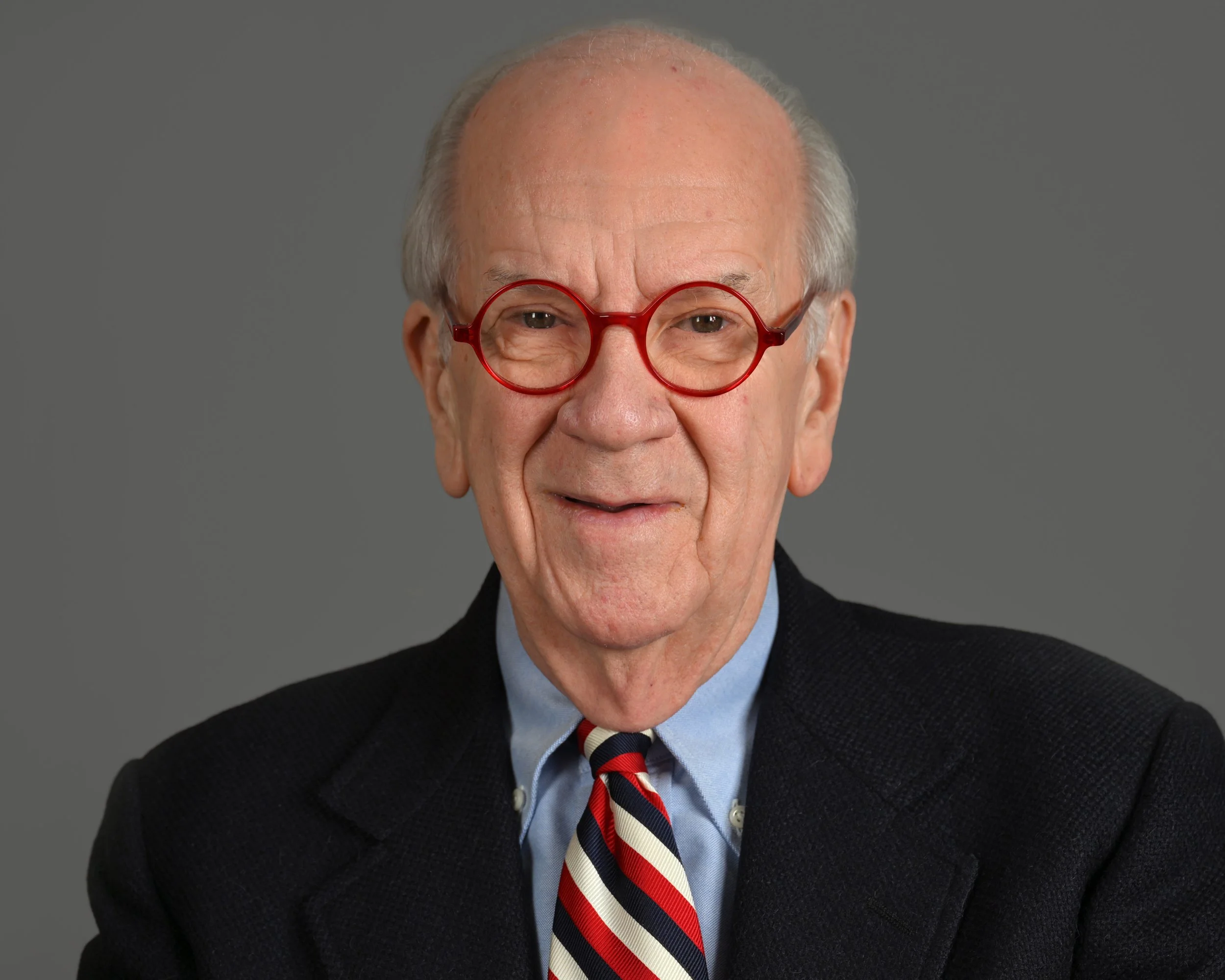
Yale Dolginow
Yale suggested at one of their Sunday meetings at the Nemers’ house: Why not start a new synagogue?
“The other three couples looked at me as if I were crazy,” he says. “They told me it was impossible. I responded that starting a synagogue was no different than opening a new retail store—something I had done many times. The question then became: How do we do this? I proceeded to develop a plan.
“The first step was to determine whether there was enough interest in the community to support a new congregation. I suggested placing an advertisement in the Jewish World to gauge interest. We agreed to call the effort ‘Jewish Family Life’ and proposed a meeting at the Jewish Community Center in St. Louis Park.”

New Congregation Ad
The ad was placed, and the meeting on April 12, 1981 exceeded all expectations—about 120 people attended it at the JCC.
It was for that meeting that Ann Lonstein coined the phrase that characterizes Bet Shalom to this day. “It Will Be a Place that Will be a Family of Friends,” she told the gathering. At the time, she recalls, “I saw the need for ‘a Place, Hamakom,’ in the Twin Cities.
“The very next Monday morning, I received a phone call from [a representative of] the Minnesota Rabbinic Association,” Yale recalls. “I was informed that it was against their bylaws to solicit a potential new congregation and that I was to ‘cease and desist’ immediately. I was never quite sure what the penalty might be, but it was clear this was not the approved path forward.
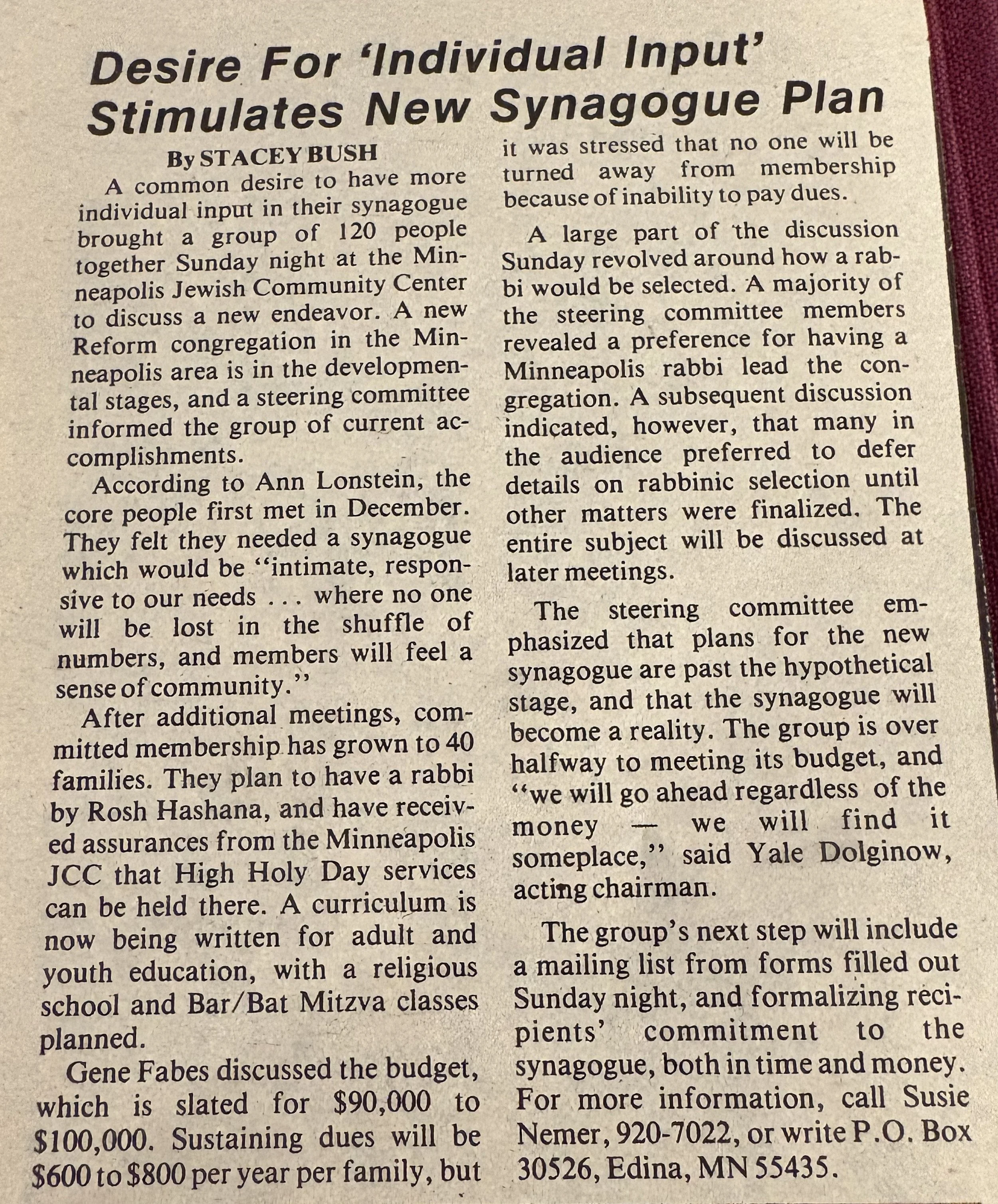
Article About New Congregation
“Still, the information from that first meeting took on a life of its own. In the weeks that followed, numerous families called to express strong interest. We concluded there was sufficient interest in the community to move forward.”
The pushback, though, continued. “One of the more memorable phone calls I received was from [an officer] at Temple Israel. In no uncertain terms, he told me that starting a new Reform congregation was a terrible idea. He described [us] as follows: one ‘hothead,’ one person who was ‘too organized,’ and an educator—none of whom, in his view, had any business starting a congregation. He ended emphatically: ‘You can’t do this.’ I told him I was listening carefully—until he used the word ‘can’t.’ I explained that ‘can’t’ was not in my family’s vocabulary, hung up the phone, and moved forward.”
Word continued to spread within the Jewish community, and interest grew steadily. Recognizing the need for guidance, they learned of a rabbi in Denver who had successfully started a congregation from scratch. They brought Rabbi Raymond Zwerin to Minneapolis to meet with the growing group at the Dolginow home. “He explained what to expect and advised us on how to ‘zig and zag’ through the inevitable challenges,” says Yale. “He cautioned that gaining permission to interview a rabbi would be difficult because of the UAHC rules, but offered no clear solution.”
Taking the Leap
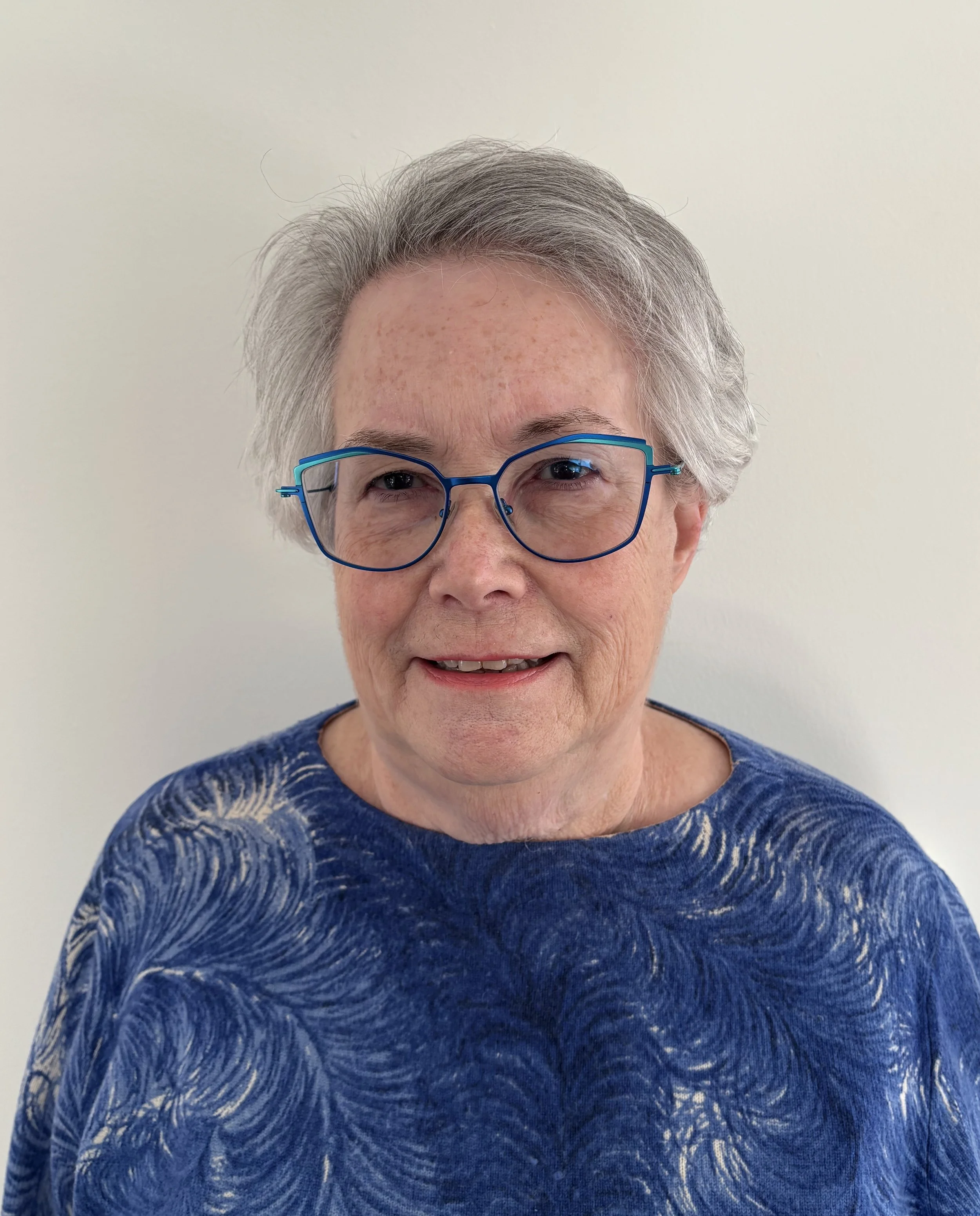
Joan Charnas
On May 17, 1981, some 50 people met at John and Ann Lonstein’s home to discuss the plan for a new synagogue. To gauge seriousness, attendees were asked for verbal support and for financial commitments.
Joan Charnas, who volunteered to teach in the new religious school, was one of those willing to take the leap. “I was asked to bring a check for $100,” she recalls. “This was in 1981 dollars — to a person or an account that I did not know. I chose to risk it and bring the check.”
Ann recalls, “It was a very exciting evening as we laid out our vision, and our sign up sheet was pretty full.” At that meeting, her husband, John, was elected Bet Shalom’s first president.
Esther Fabes was amused when her husband, Gene, was elected the first Treasurer. “Everyone thought this would be a good idea because he was a math professor,” she says. “Then I told them that I did not allow him to access the family finances. They made him treasurer anyway. He did find book keepers and accountants. Then he became head of ushering, which was a much better job for him!”
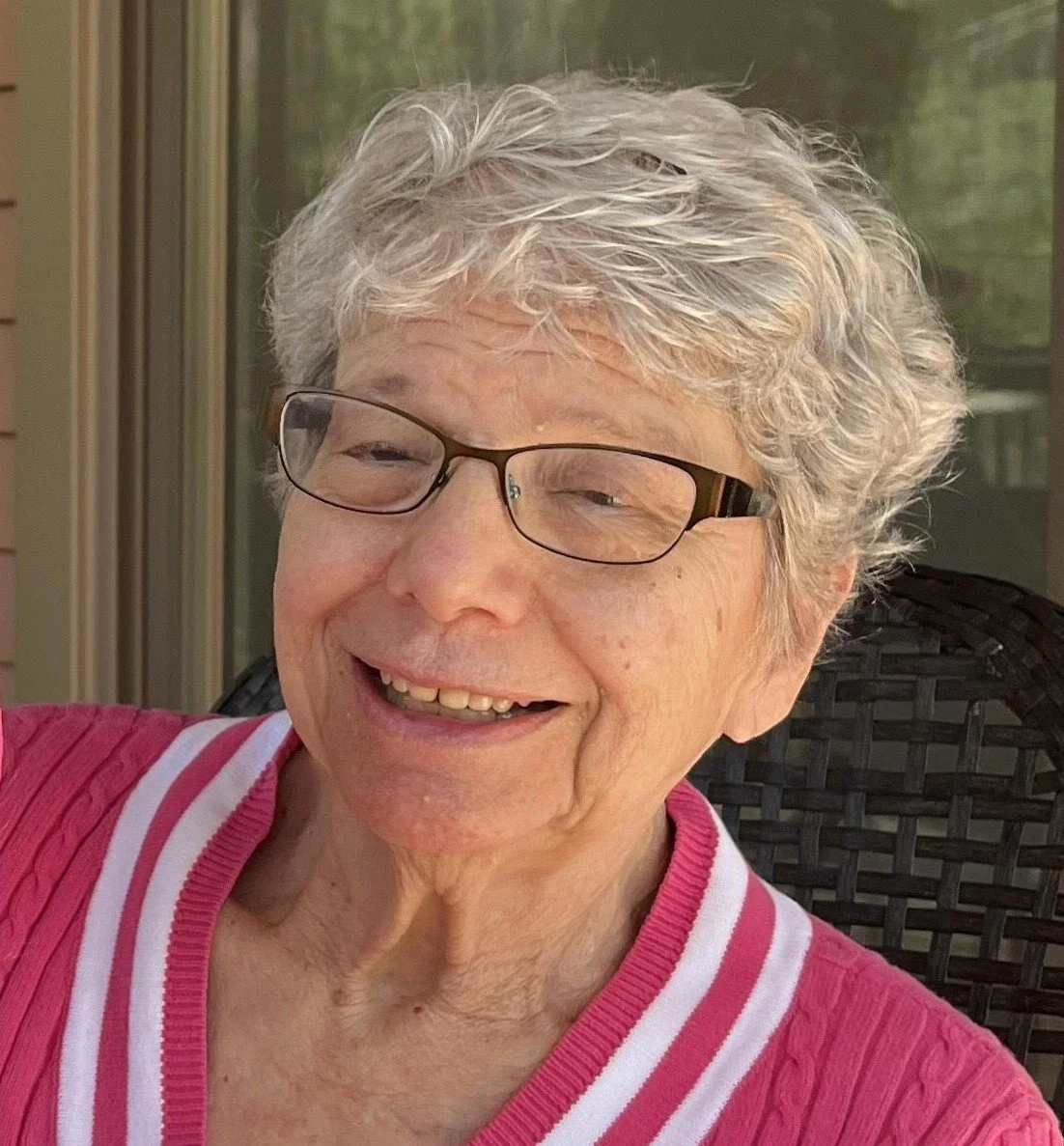
Esther Fabes
A Phone Call Saves the Day
At this point, Bet Shalom needed formal recognition by the Union of American Hebrew Congregations (UAHC). But a major obstacle awaited: under UAHC rules, a new Reform congregation in the community needed the blessing of the old one, Temple Israel. And that approval, apparently, wasn’t in the cards.
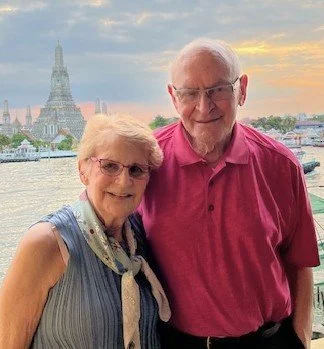
Barbara and Gary Hanovich
Fortunately, Barbara Hanovich announced she had a solution. She called her mother, Betty Feder, a one-time board member of the UAHC and a close friend of its president, Rabbi Alexander Schindler. As it happens, Schindler was visiting Betty’s home in Fargo that day. Betty told him that her daughter was involved in starting a new congregation in Minneapolis but that the regional office of the UAHC was putting up roadblocks.
That was all it took. Soon, Bet Shalom was officially recognized by the UAHC, which would allow it to interview and hire Reform rabbis.
That fall, the first High Holidays were a patchwork affair. An acquaintance of the Lonsteins agreed to fill in as rabbi, and the JCC theater served as a Bet Shalom’s makeshift sanctuary.
Hiring a Rabbi
It was, Ann Lonstein says, a friend of a friend who first mentioned a young rabbi named Norman Cohen, who was then at Rockdale Temple in Cincinnati.
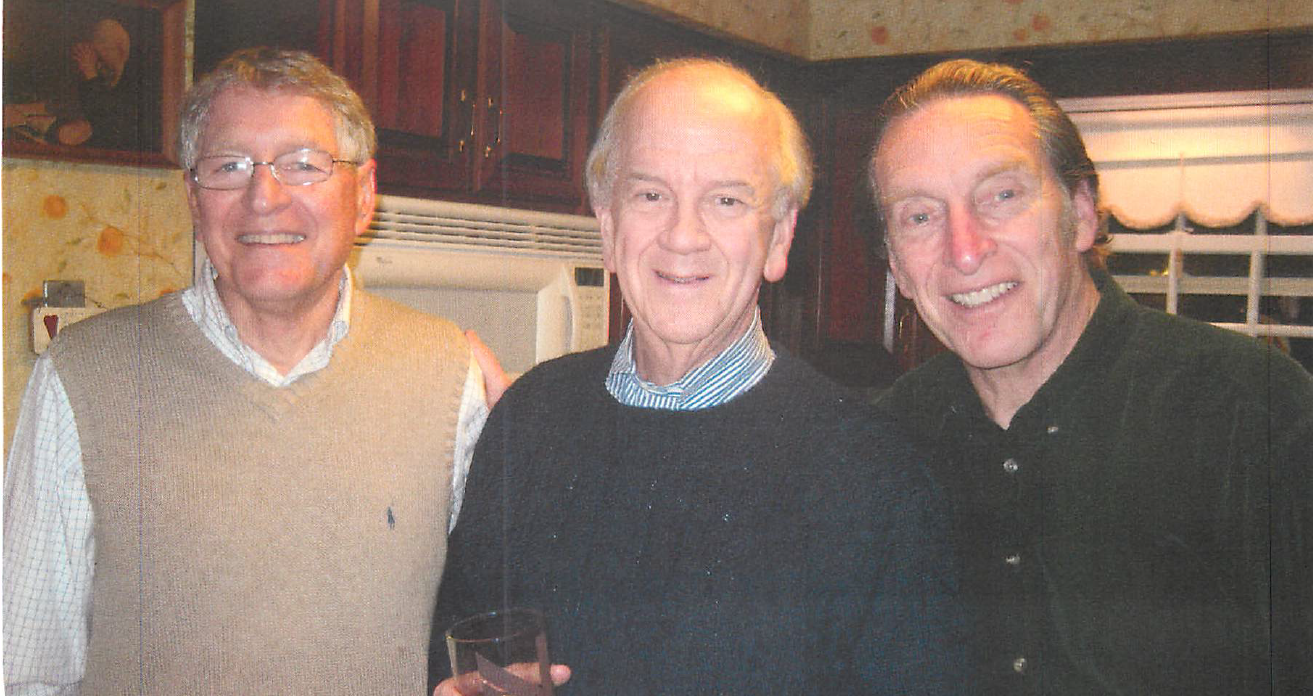
Mayeron, Dolginow, and Nemer
“After (some) promising phone interviews, we invited Rabbi Cohen to visit us,” recalls Yale Dolginow. “He was flown in, and Joan Charnas graciously volunteered to… take him on a scenic drive through the Twin Cities.” After a wonderful Shabbat weekend, he says, Rabbi Cohen returned home. And a small delegation — Yale, Jack Mayeron, Ric Nemer and Barbara Hanovich — set off to Cincinnati to observe him in action.
“The sermon was outstanding,” Yale recalls. “The four of us were convinced that Rabbi Cohen was the right leader for our congregation—and we were determined not to let the opportunity slip away.” After the service, Yale said, “(we) paid the temple janitor $5 to use a typewriter in the office, where we drafted a contract.” By this time, Barbara Hanovich had followed her mother onto the national board of the UAHC, recalls her husband, Gary. “So she knew what was needed to write a contract for the new rabbi.”
Says Yale: “We negotiated the details in the early hours of Sunday morning and had a signed agreement in hand before leaving Cincinnati. We were ecstatic. I called John Lonstein from the airport to share the news.” Lonstein was annoyed and reminded Dolginow that he did not have the authority to hire a rabbi without full board approval. But Yale told him it was already a done deal.
The More Things Change…
Ann Lonstein authored our original vision statement, which emphasized that we would be a “family of friends,” and a place “where you will feel a sense of belonging, whether you are an adult or a child…where nobody will be lost in the shuffle.”
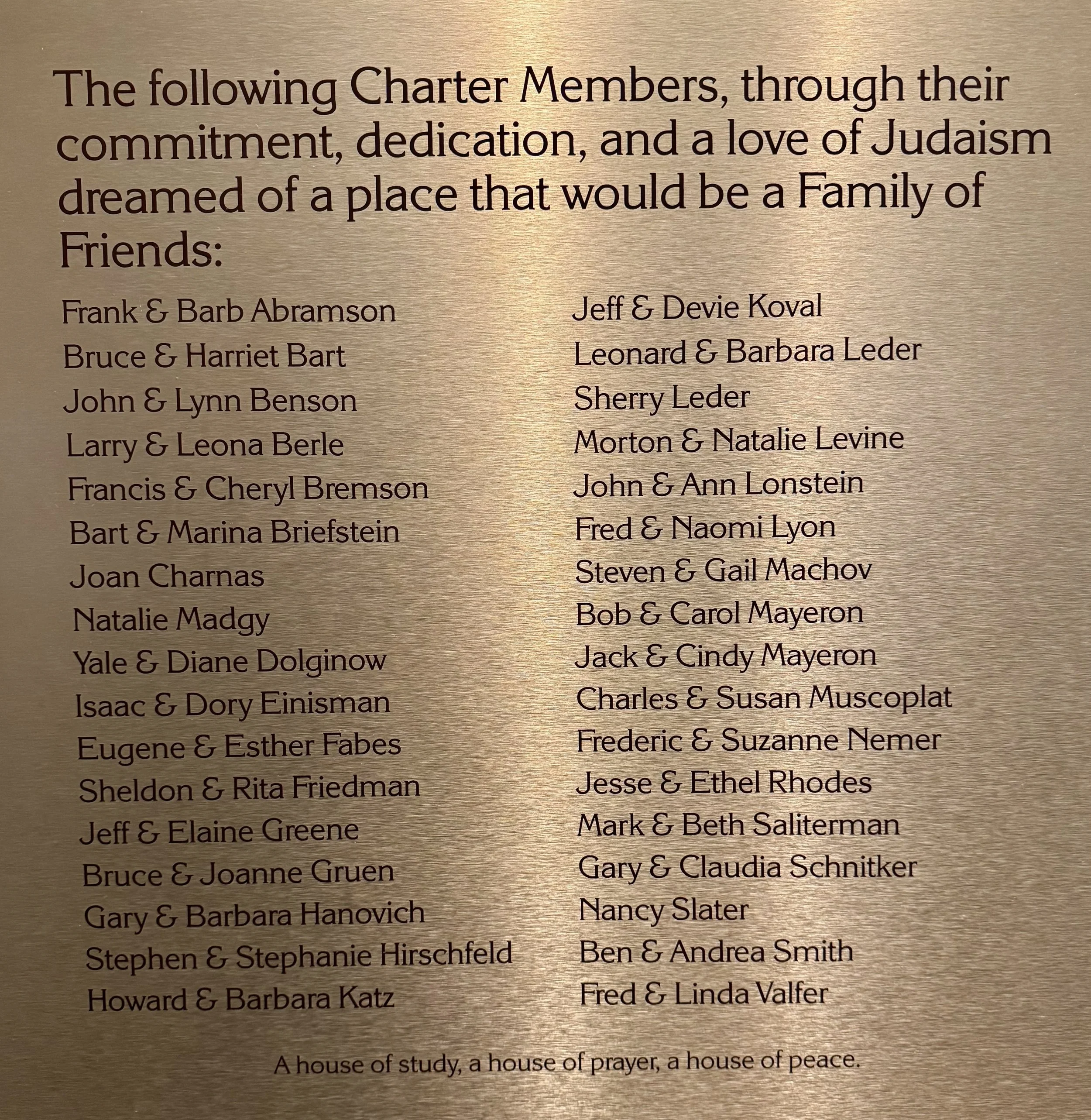
Founders
And indeed it was a “family of friends,” Ric Nemer says. “Back then, because there were so few of us, we were all on the same page. We were about the same age. We had young children and they became friends. And we were devoted to a new Reform temple. We did everything together. The kids grew up together, went to school together, celebrated their bar and bat mitzvot together. We vacationed together. It was a small, close-knit family, a real clan.” But he notes wistfully, “Of course, when you get too big, you lose the feeling of a clan. It's just a natural thing that happens with groups that get to be a certain size, then it gets impersonal.”
Yet as we’ve grown, our mission — to celebrate Jewish values, motivate us to lead active Jewish lives and contribute to a better world — hasn’t changed.
“I believe we have faithfully maintained this vision,” said Yale.