
Bet Shalom Yeladim Intergenerational Programming
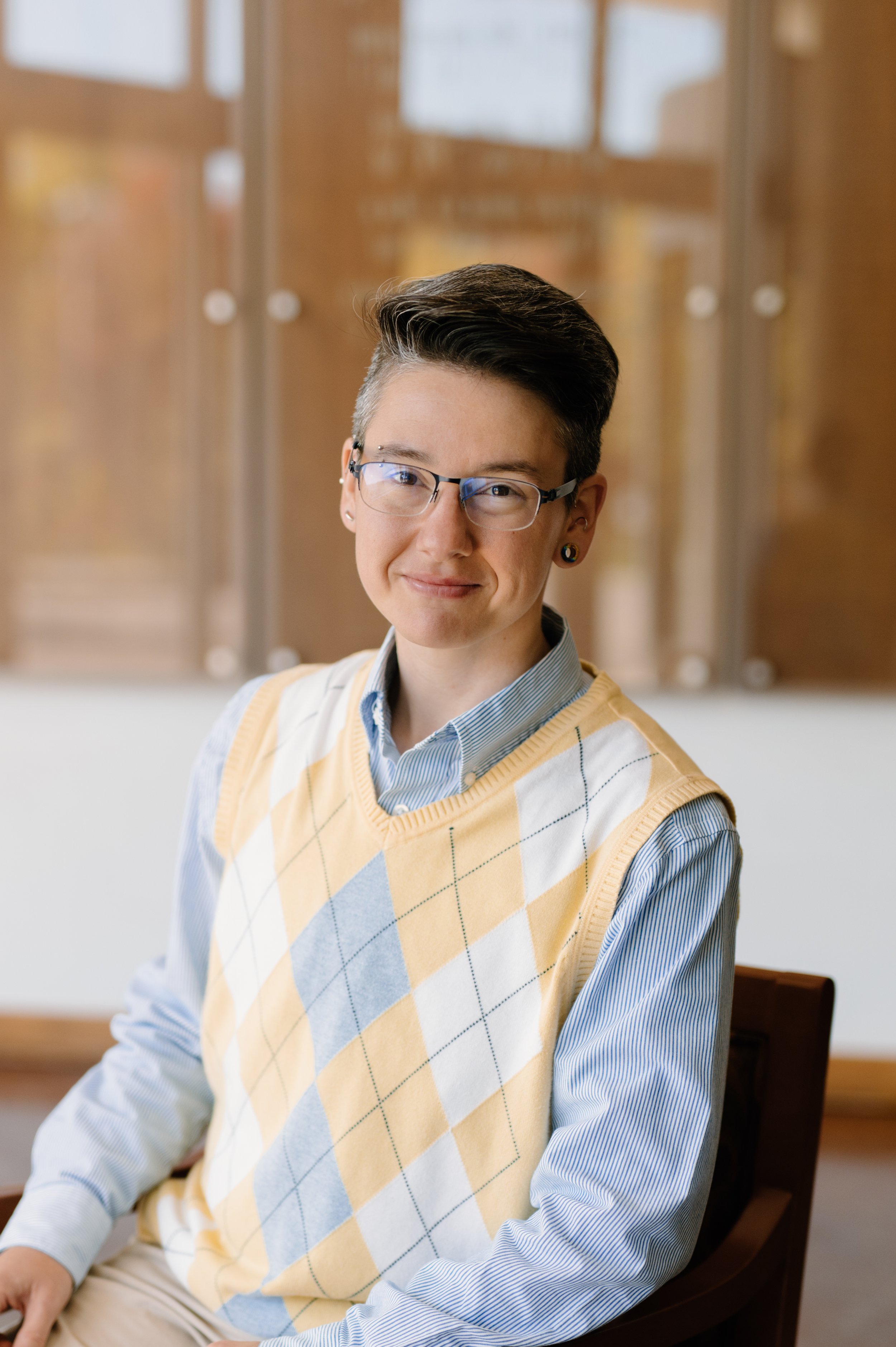
by Brett Thominutt with Eric Bressler
Bet Shalom Yeladim (BSY), our preschool, has students interact with seniors through several programs.
I spoke with Brett Thominutt, Assistant Director of BSY, to learn more about these intergenerational programs and how they teach Jewish values to the students and benefit both the children and the seniors.
Thanks for talking with me, Brett. I saw an article in Sholom Home’s 2025 Impact Report about the partnership between BSY and Sholom. Please tell the congregation about this program.
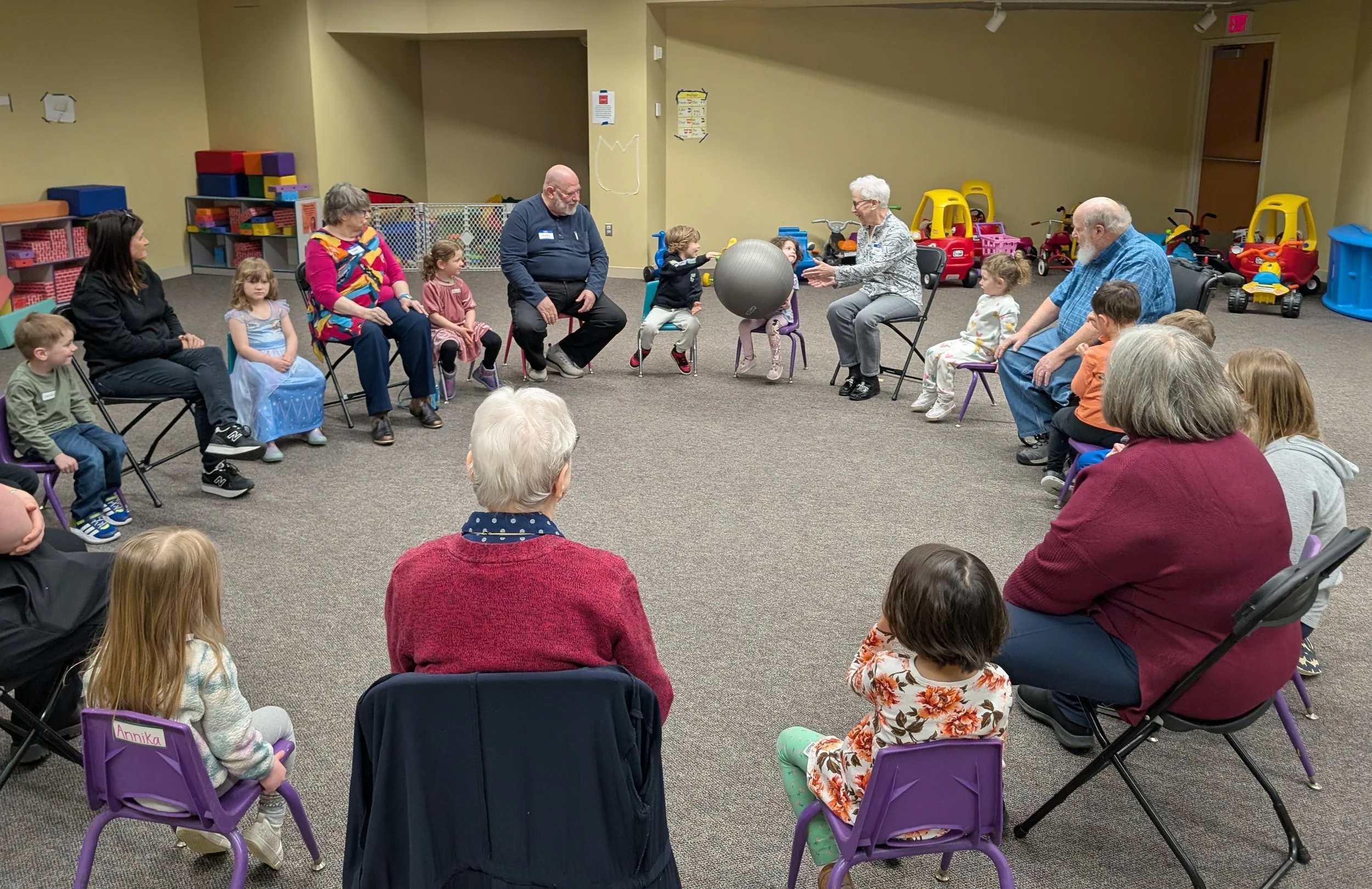
As part of our curriculum, Bet Shalom Yeladim (BSY) has a different Jewish value that students learn about each month starting in Kahol, our young toddler classroom, through Yarok, our Pre-K classroom. Last November, the Jewish value was Kibud Zekaynim – honoring elders. While working with one of our toddler teachers to make this value developmentally accessible and something students could have a hands-on project for, the idea came up to have students make Thanksgiving holiday cards for the Sholom Home residents. I reached out to Karen Johnson, the Volunteer Coordinator at Ackerberg Sholom West Campus, and it started a wonderful conversation and partnership focused on what intergenerational programming could look like between our two organizations. Since then, BSY students have made holiday cards for Sholom Home residents, practiced their songs for our annual Chanukah Showcase before residents, and worked with residents on art projects and reading books together. It has been wonderful to see all of this come together, and I am very hopeful that this is just the beginning of a long-lasting partnership.
That’s amazing! How does interacting with the Sholom Home seniors help the students grow?
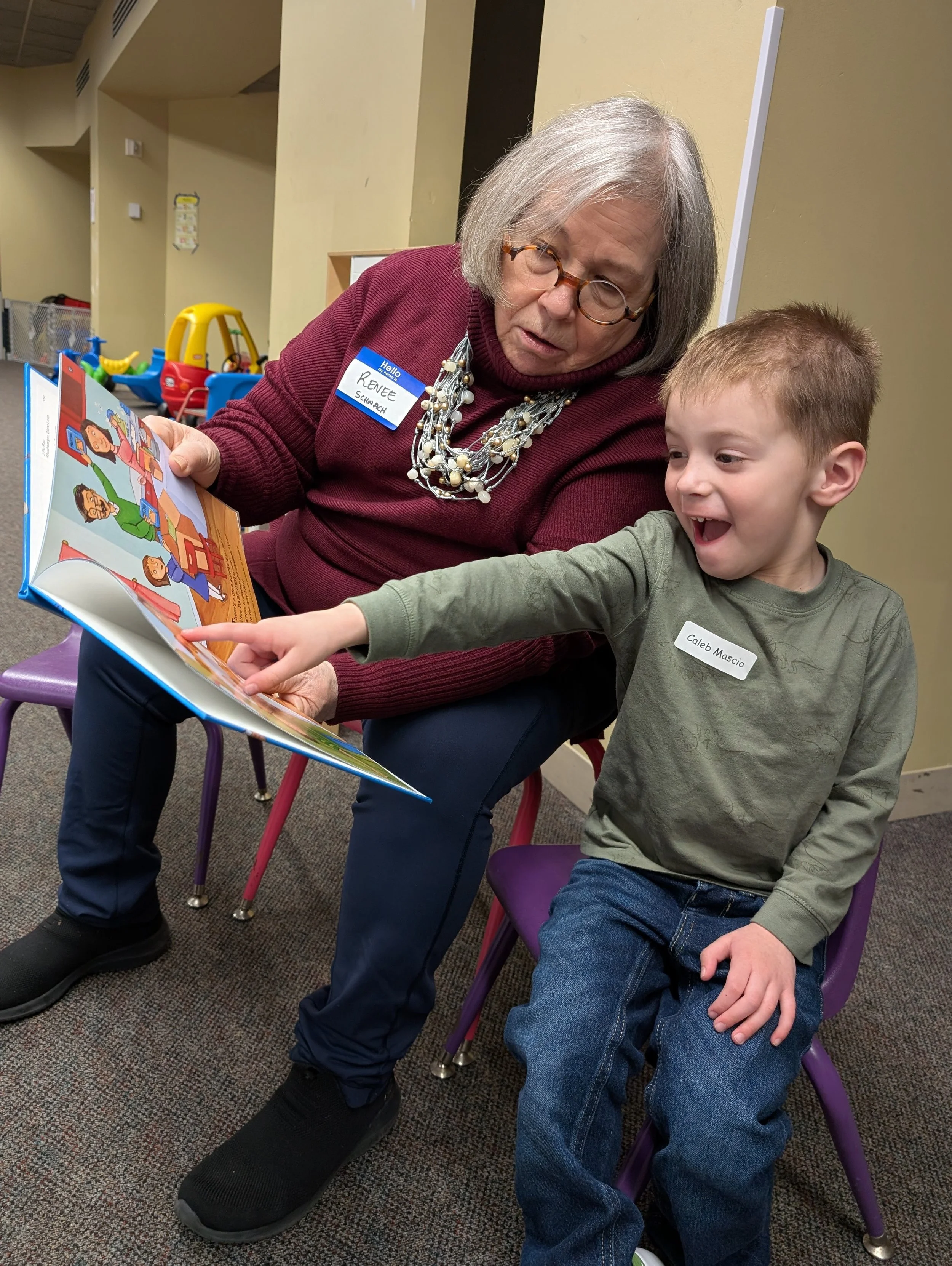
Bringing children of any age together with seniors for reading, playing games, an art project, or even just to talk has a multitude of positive learning correlations! At a basic level, the students learn that they have more in common than they first realize with people who seem so very different from them – such as liking the same books, games, songs, or kinds of art projects. When students first meet one of the seniors, they can feel scared, be unsure how to interact, or not know what to say. With guidance and structured activities to help everyone feel more comfortable, it doesn’t take long for most students to be laughing and interacting with their new friends. Growing in their ability to welcome everyone to come play is the first step all of our students take toward learning how to be a part of our vibrant Jewish community at Bet Shalom.
Most of the in-person programs that have been launched involve our Sagol (Pre-school, “purple”) and Yarok (Pre-K, “green”) students who are between 3 – 5 years old, so I’ll go into more examples of all the learning and growth taking place behind the scenes for that age group. Regular intergenerational interactions can: improve language and conversational skills, strengthen social and emotional learning that students are exposed to in their classrooms, promote sustained attention as well as working memory, encourage student independence, and give them a chance to use their self-help skills. At first glance, you might only see seniors reading or playing games with students, but as teachers we can see students who remember their reading buddies from last month and are able to approach and say hi to them (working memory). We watch as students express their boundaries with their reading buddies if they don’t want a hug (self-help/advocacy). Often, students will read 3 or more books with their buddy each month. Every book read and every conversation about a book helps students learn new words and grow their language and conversational skills. It’s really a beautiful thing to see in action.
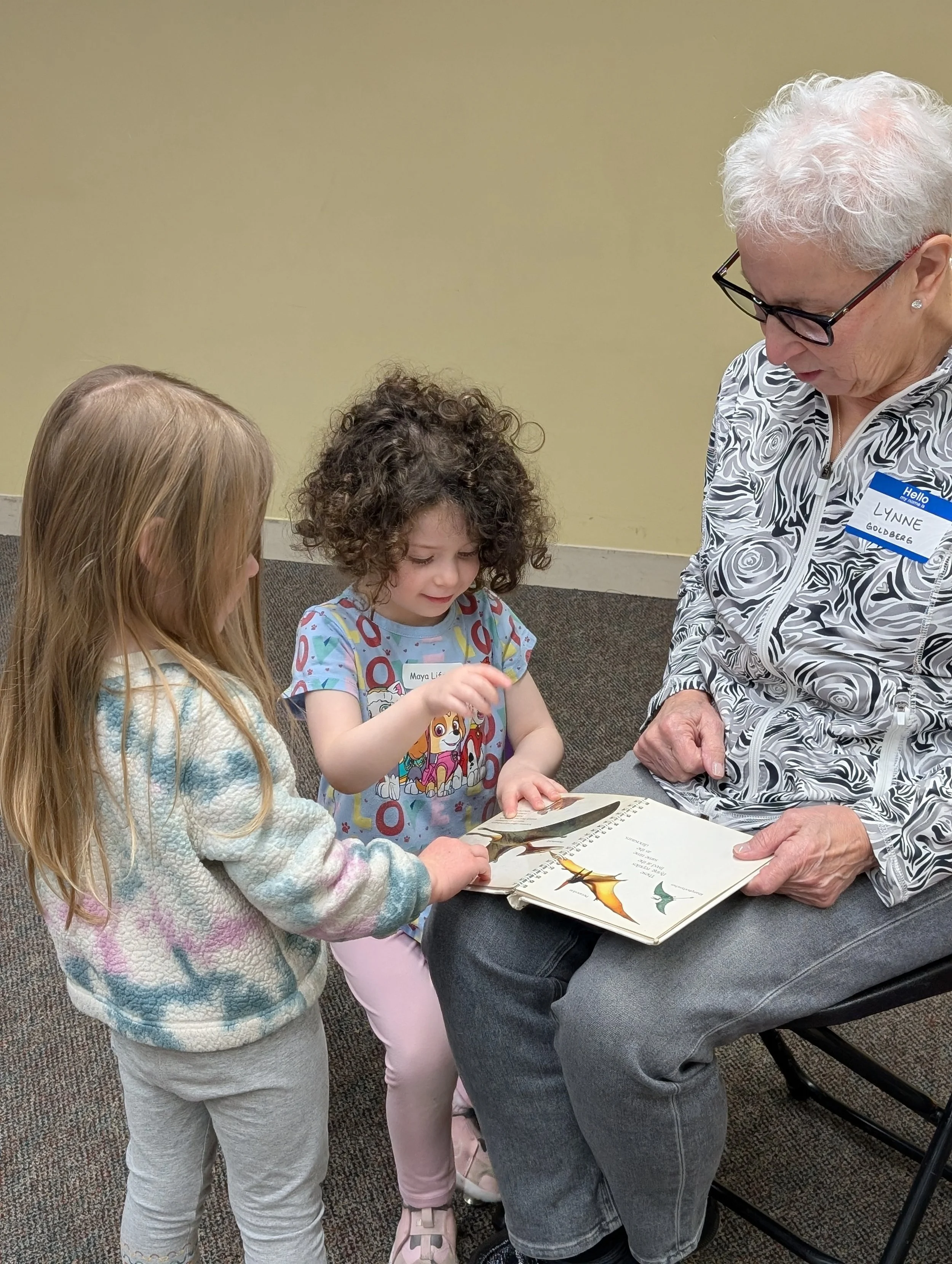
I heard from Sue-Ann Garvis of the Senior Connection planning committee that they are also reading books to the BSY students. How is that going?
It has been a privilege to get to work with Rabbi Thal, the Senior Connection planning committee, and Ajia Fleischman to launch Reading Between Generations this year. Once a month, prior to the senior lunch, Bet Shalom seniors are invited to come read and play games with BSY students. Our Sagol (Pre-school) and Yarok (Pre-K) students love choosing what book(s) their buddies will read to them. They also enjoy getting to play games and laugh with people they don’t get to see every day. Each month I see students becoming more comfortable interacting with our senior visitors and engaging more freely with them. The Bet Shalom seniors who work with us have also been really wonderful about working to build connections with students month after month to help them feel comfortable. It is one of my favorite events to facilitate each month, not only because of all of the amazing learning and growth that is taking place as students read, play, and interact. Beyond that, I see connections being built between BSY students and the larger Bet Shalom congregation that bring into focus what a wonderful community we all belong to.
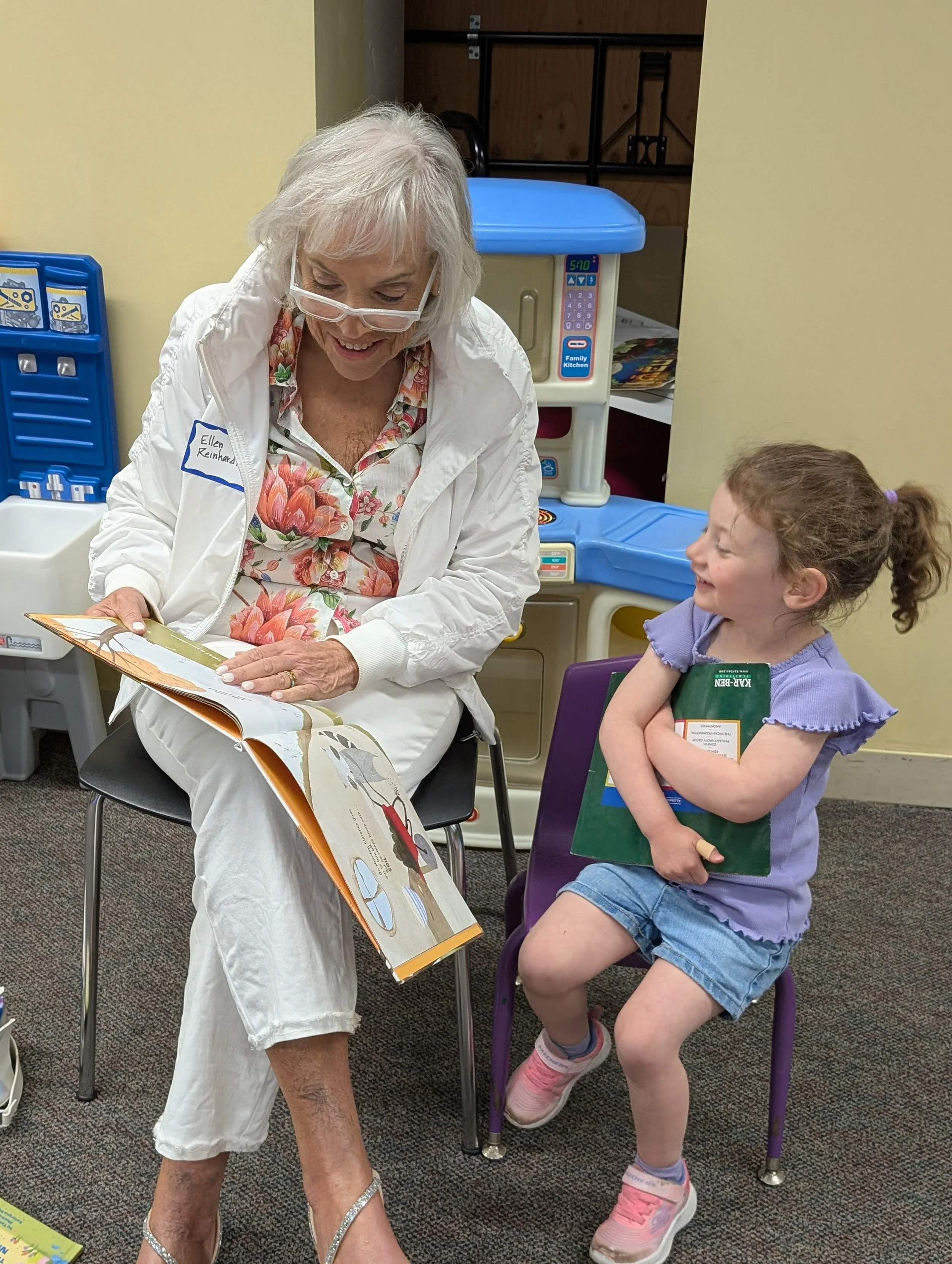
What other intergenerational initiatives are the BSY students doing?
We have continued the new tradition of having students make holiday cards for seniors since that first experience last November. Going forward, all of our BSY classrooms are going to be making holiday cards for members of Bet Shalom who are not able to make it to campus for other programming throughout the year. For our youngest students, these cards focus on student-made artwork (such as coloring, painting, and handprints) with well-wishes written in by the classroom teacher. In addition to student-created art, Sagol (Pre-school) and Yarok (Pre-K) students work with teachers to dictate a holiday message from the student to the senior which is then written on the card. Students reach a point of being able to sign their own names as the year progresses. Some of our Yarok (Pre-K) students even start to work on writing their own words in their cards by spring. Teachers always explain who the cards are for, why students are making them, and even how the postal system works!
Another way that we are building connection and community for our students is through extending invitations to Bet Shalom seniors, and the whole congregation really, to join in school-wide celebrations. There are several big events each year where we open our doors and want everyone to feel welcome to join us, such as the BSY Vehicle Fair in July, the Chanukah Showcase in December, and our Purim Parade around March. These are wonderful opportunities for Bet Shalom seniors to connect with their reading buddies as students show off and share special moments.
Are there any other programs planned for the future?
In my eyes, the sky is the limit of where this partnership can go! The next project we are working on will be a pen-pal program between Bet Shalom Seniors and Yarok (Pre-K) students. Over the course of the year, students will get to learn about basic grammar and punctuation, how written correspondence is structured, and how to ask questions and continue a conversation. They will also gain practice with delayed gratification and memory recall (as letters are sent out, and they have to wait for the reply) as well as working on their fine motor skills (as they draw pictures and learn how to start forming words). Bringing it back to building community, our students will connect with Bet Shalom members who are not able to regularly make it to the synagogue for programming.
How do you feel about the value of intergenerational programming?
Bringing intergenerational programming to campus has been a dream of mine since I started working at BSY three years ago. There is immeasurable value in bringing two very different parts of Bet Shalom together over a book, art project, or game. At BSY we pride ourselves on providing students with a rich educational experience that is grounded in Jewish values and traditions. Programming opportunities like this are one of the ways we bring that value and dedication to life. When people work together over a common activity or goal, their shared experience leaves memories that form lasting connections. These connections build community and a sense of belonging, which in turn strengthens our whole congregation. It is in the heart of that connection and community that the most meaningful learning can take place. And it doesn’t stop when our students graduate. They bring that foundational love of learning and the ability to build a welcoming community with them when they go to kindergarten. It is such a joy for me that I get to see this kind of learning in action every month!